


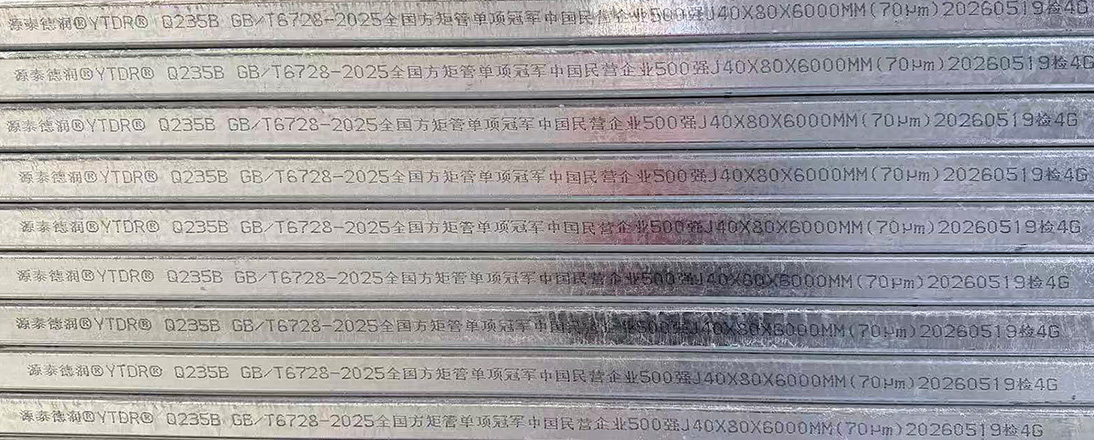
When you’re dealing with major infrastructure or industrial builds, steel is pretty much the foundation of everything. But the real test isn’t just how much weight the steel can hold—it’s how it handles getting beat up by the elements year after year. Standard galvanizing does fine if you’re putting pipes indoors or in a dry inland area, but serious engineering projects need something way tougher. Upgrading to a 70μm heavy-duty zinc coating is one of the smartest moves you can make to protect your investment and make sure things don’t start rusting out ahead of schedule.
Why More Projects Specify 70μm Zinc Coatings
Lately, engineering requirements across the globe have gotten a lot stricter. If you look at blueprints for utility-scale solar farms, cross-country power lines, or telecom towers near the coast, you’ll notice they almost all demand zinc coatings of 70μm or thicker now.
This shift is driven by the reality of long-term asset management. Cheap, thin-layer galvanizing vanishes surprisingly fast when it’s constantly exposed to ocean salt spray, heavy humidity, or industrial smog. If a project is expected to stay functional for 20 to 50 years, you need a substantial sacrificial layer of zinc. A 70μm+ coating buys you that time, saving you from the nightmare of constant maintenance shutdowns and expensive patch jobs down the road.
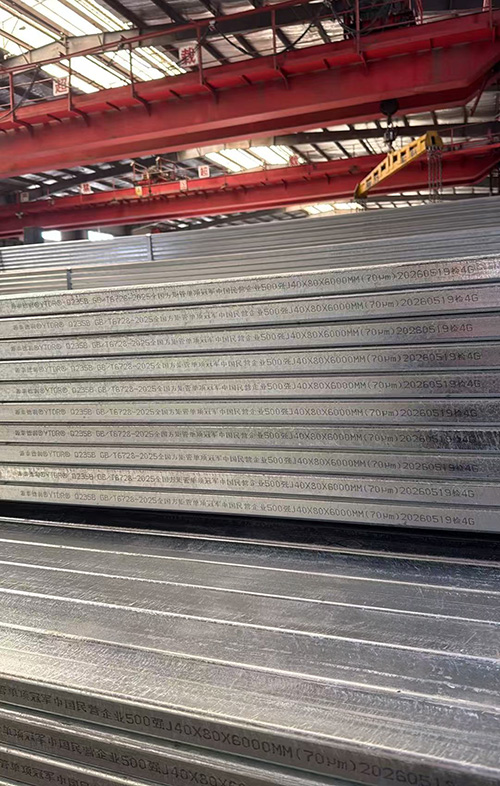
How Coating Thickness Is Measured Across International Standards
If you’re handling international procurement, the technical paperwork can get confusing fast because different engineering standards talk about zinc coatings in entirely different ways. For example, American specifications (like ASTM A123) often talk about coating thickness in microns (μm) or weight per area in ounces per square foot (oz/ft2). On the other hand, European or international standards (like ISO 1461) prefer microns or grams per square meter (g/m2).
To make it even trickier, some blueprints specify the required zinc mass on one side of the steel surface, while others look at the total zinc used on both sides. When we talk about a 70μm coating, we are measuring the linear thickness of the protective layer on a single surface.
To help your procurement team quickly translate these different units and ensure your project compliance matches up perfectly, here is a breakdown of how these measurements actually convert for heavy-duty coatings:
| Thickness (μm) | Weight (g/m²) | Imperial (oz/ft²) | Common Standard Reference |
| 70μm | ≈ 495 g/m² | ≈ 1.6 oz/ft² | Standard requirement for inland solar tracking and light industrial frames. |
| 85μm | ≈ 600 g/m² | ≈ 2.0 oz/ft² | Typical benchmark for heavy structural steel (over 6mm thick) under ISO 1461. |
| 100μm | ≈ 705 g/m² | ≈ 2.3 oz/ft² | Extreme marine-grade protection for coastal regions and high-salinity zones. |
A Quick Procurement Tip: These conversions are calculated using the physical density of pure zinc (which is roughly 7.14 g/cm3). However, in the real world, the hot-dip process forms complex zinc-iron alloy layers that can slightly shift the actual weight. When you are submitting a Request for Quote, the safest approach is to just list the specific regional code your project has to hit—whether that’s ASTM A123, ISO 1461, or AS/NZS 4680—and let our mill handle the exact technical calibration.
Can Hot-Dip Galvanized Pipes Be Customized Beyond Standard Coatings?
Absolutely. A good manufacturer doesn’t just run everything on one basic setting. At Yuantai Derun, we treat hot-dip galvanizing as a flexible process because we know a solar field in the desert needs a totally different setup than a pipeline right on the coast. We can adjust our production line to give you the exact zinc thickness your site demands:
70μm (The Balanced Standard): This is the sweet spot for inland infrastructure, industrial parks, and solar tracking arrays. It gives you excellent, long-term rust protection without inflating your upfront material budget.
85μm (The Coastal Protector): We recommend this for projects near the ocean, humid river basins, or heavy chemical zones. The extra thickness absorbs the aggressive wear-and-tear caused by salt in the air.
100μm+ (The Heavy-Duty Extreme): This is for severe environments—think marine splash zones, docks, or foundations buried in highly corrosive, damp soils.
Project-Specific Customization: Our mills are built to adapt. By carefully tweaking the chemistry of our steel base (managing elements like silicon and phosphorus), adjusting how long the pipes submerge in the molten zinc bath, and controlling the cooling rate, we can hit whatever custom coating target your engineers throw at us.
How to Verify a 70μm Zinc Coating Before Delivery
When you’re dealing with high-stakes international trade, you can’t just take a supplier’s word for it. You need proof that the pipes arriving at your job site actually match what’s written on the contract. To keep things completely transparent, we use a tiered quality control approach that adapts to your project’s specific compliance levels:
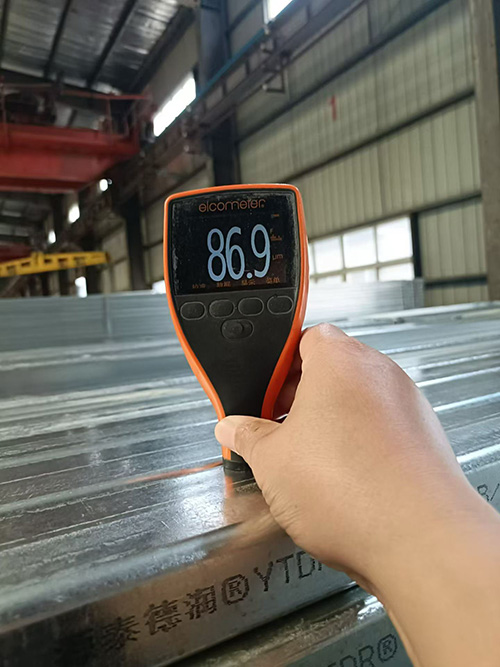
Magnetic Gauge Testing: Our QA team runs digital, non-destructive thickness gauges along the pipe bodies, ends, and weld seams during production. This ensures the zinc is spread evenly and there aren’t any thin spots.
Standard Mill Test Certificates (MTC): For standard orders, your shipment comes with official MTC paperwork detailing the exact chemistry of the steel base and certifying the average zinc coating weight to back up standard regional code compliance.
Custom Inspection Reports for Special Requirements: If your project has strict, high-level compliance needs—such as national infrastructure or utility grids—we can adjust our QC workflow based on your specific requirements. Upon request, we can provide specialized coating reports detailing multi-point mapping results, including actual minimum, maximum, and statistical average measurements across the batch.
Third-Party Audits: We are completely open to independent testing. We regularly work alongside international inspection agencies like SGS, Bureau Veritas (BV), and Intertek. If your project mandates a third-party inspector to witness the testing or take batch samples, we will gladly arrange it.
Why Choose Yuantai Derun for Custom Galvanized Steel Pipes
Finding a reliable supply chain means choosing a partner that can handle massive volume without cutting corners on the technical details. Yuantai Derun is one of the largest manufacturers specializing in structural hollow sections and heavy-duty galvanized profiles. By combining advanced galvanizing lines with tight quality management, we give our global buyers exactly what they need:
Massive Production Scale: We have the capacity to handle multi-ton international projects and meet tight delivery schedules without missing a beat.
Reliable Metallurgy: We keep strict control over our zinc baths, which means you get excellent coating adhesion that won’t flake off during transport, and a clean, uniform finish.
Real Technical Support: Our team is always here to help you figure out the best coating weight, steel grade, and standard alignment for your specific environment.
Don’t leave your project’s lifespan up to chance. Reach out to Yuantai Derun today to get technical data sheets, talk through your project’s specs, or get a custom quote for your next order.
Interested in Our Custom Galvanized Solutions?
We’re ready to help you hit your project’s exact coating specifications.
Or contact us directly at: yuantai@yuantai-steel.com
Post time: Jul-14-2026


