


Quick Navigation
- 1. Flange Connection
- 2. Threaded Connection
- 3. Butt Welding
- 4. Socket Connection
- 5. Socket Welding
- 6. Grooved Connection
- 7. Metal Clamp Connection
- 8. Ferrule / Compression Connection
- 9. Press-fit Connection
- 10. Hot-Melt Connection
- 11. Electrofusion Connection
- 12. Heat-Shrinkable Sleeve
- 13. Solvent Cement Connection
- 14. Universal Pipe Coupler
In the world of industrial engineering and infrastructure, the integrity of a pipeline is only as strong as its weakest joint. Choosing the correct connection method is a critical decision that impacts the safety, cost, and lifespan of the entire system.
Whether you are working with LSAW for heavy-duty structural projects or ERW pipes for fluid transport, understanding these 14 connection techniques is essential.
I. Traditional Metal Pipe Connections
1. Flange Connection
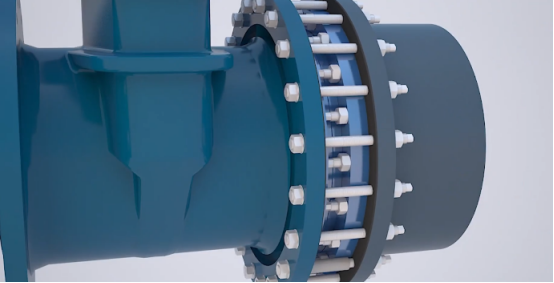
Mechanism: Two flanges are bolted together with a sealing gasket compressed between them.
Requirements: A pair of flanges, high-strength bolts, nuts, and a specific gasket (e.g., spiral wound or rubber).
Best For: Large-diameter industrial pipelines and B2G infrastructure projects.
Pros: High pressure resistance; easy to disassemble for maintenance.
Cons: Expensive; requires precise bolt tensioning to prevent slow leaks.
2. Threaded Connection
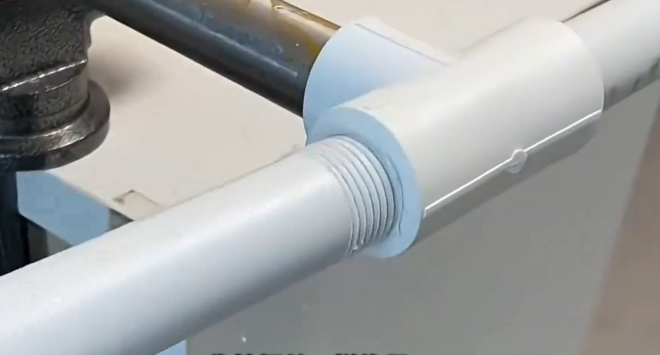
Mechanism: Mechanical interlocking of male and female threads.
Requirements: Threaded pipe ends, fittings, and sealing materials (PTFE tape or compound).
Best For: Small-diameter, low-pressure plumbing and gas lines.
Pros: Fast installation without specialized tools or heat.
Cons: Threads weaken the pipe wall; prone to leakage under high vibration or pressure.
3. Butt Welding
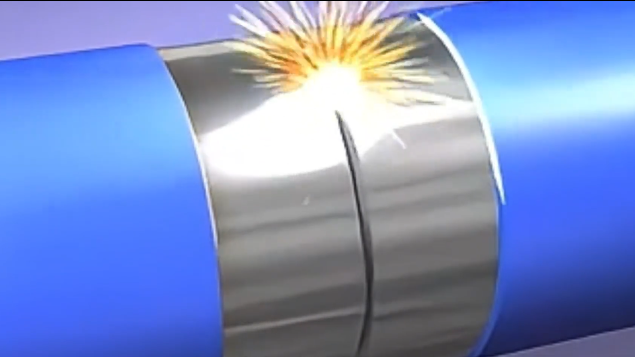
Mechanism: Fusing two pipe ends at high temperatures to create a single, continuous structure.
Requirements: Professional welding equipment, filler metal, and a skilled welder.
Best For: High-pressure oil & gas pipelines and permanent structural applications.
Pros: Zero leakage risk; the strongest possible joint.
Cons: Permanent; requires rigorous non-destructive testing.
4. Socket Connection
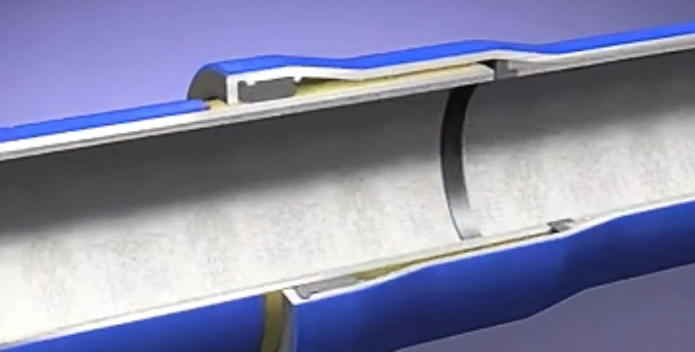
Mechanism: Inserting a spigot end into an enlarged socket end.
Requirements: Pre-fabricated socket/spigot pipe ends and a rubber sealing ring.
Best For: Municipal drainage and low-pressure underground water networks.
Pros: Rapid assembly; allows for slight thermal expansion.
Cons: Low pressure capacity; not suitable for high-stress environments.
5. Socket Welding
Mechanism: A hybrid of socketing and welding where the rim is fused after insertion.
Requirements: Specialized socket fittings and fillet welding tools.
Best For: Small-diameter high-pressure systems.
Pros: Superior sealing compared to standard socketing.
Cons: Internal gap can lead to localized corrosion in certain chemical environments.
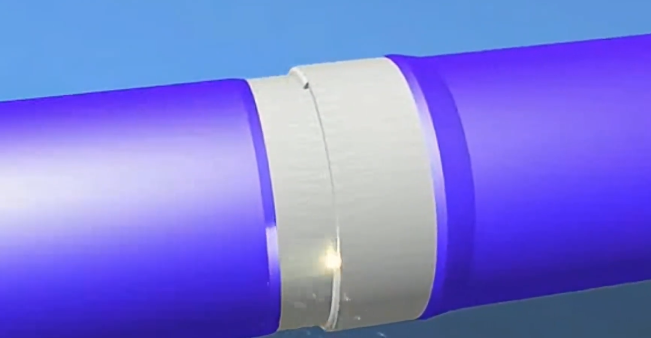
6. Grooved Connection
Mechanism: A metal coupling locks into pre-pressed grooves on the pipe ends.
Requirements: Grooved pipe ends, EPDM sealing ring, and a bolt-tightened clamp.
Best For: Fire protection systems and HVAC.
Pros: Fast, “fire-free” installation; excellent vibration damping.
Cons: Limited to specific pressure ratings; requires precise grooving equipment.
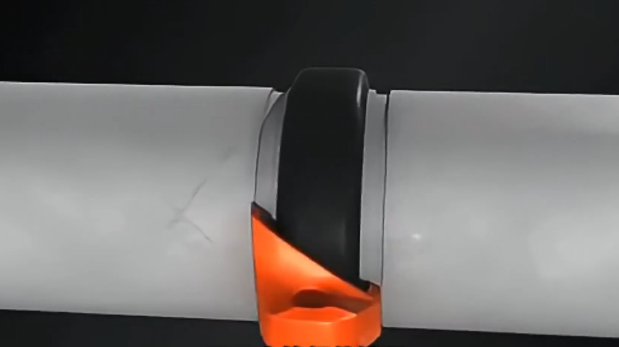
7.Metal Clamp Connection
Mechanism: A circular metal clamp firmly embraces two pipe segments with an elastic sealing ring placed in the middle. The connection is secured by tightening high-strength bolts.
Requirements: Metal clamp housing, elastic gasket, and bolts.
Best For: Fire protection systems, temporary pipelines, and scenarios requiring frequent maintenance.
Pros: Fast and stable installation; fully detachable and reusable; ideal for quick maintenance.
Cons: Primarily suitable for standard pressure systems; requires regular inspection of the gasket.
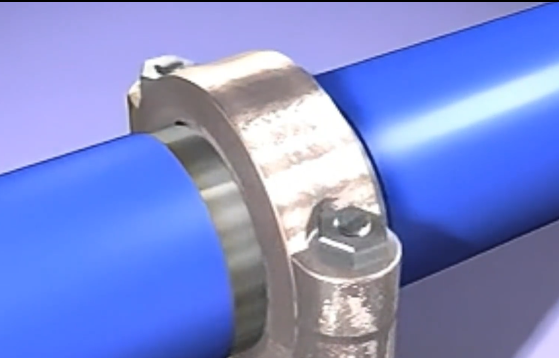
8. Ferrule / Compression Connection
Mechanism: A compression nut forces a metal ring (ferrule) to “bite” into the pipe surface.
Requirements: Precision ferrule fittings.
Best For: Hydraulic systems and instrumentation control lines.
Pros: Extremely high pressure seal; no thermal input.
Cons: High sensitivity to surface hardness; not reusable if the ferrule is over-tightened.
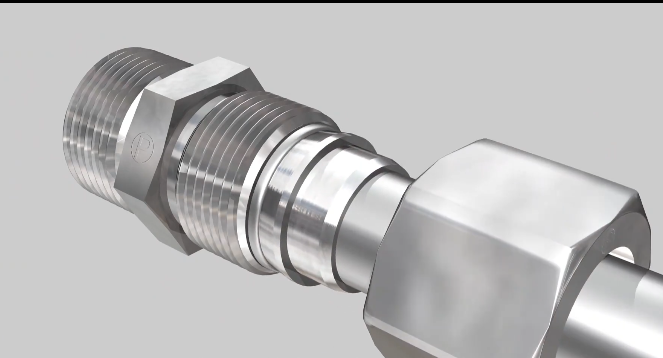
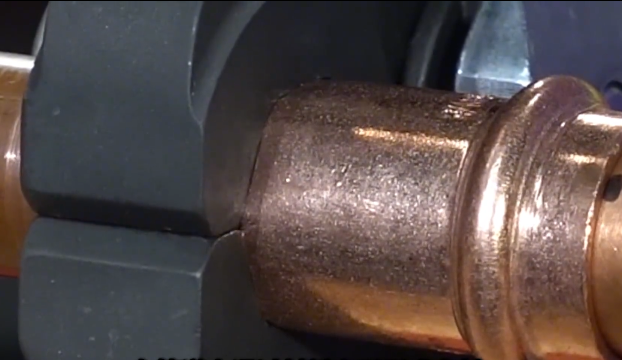
9. Press-fit Connection
Mechanism: A hydraulic tool cold-deforms a fitting onto the pipe.
Requirements: Press fittings with built-in O-rings and a specialized press tool.
Best For: Indoor thin-walled stainless steel or copper plumbing.
Pros: Incredible speed; clean installation.
Cons: High initial tool cost; limited to specific thin-walled materials.
II. Specialized & Non-Metallic Connections
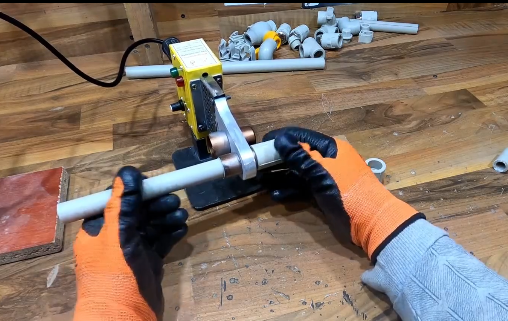
10. Hot-Melt Connection
Mechanism: Heating plastic surfaces until molten and then fusing them under pressure.
Requirements: Heating plate/tool.
Best For: HDPE or PPR water supply lines.
Pros: Homogeneous joint; cost-effective.
Cons: Highly dependent on operator skill regarding temperature and timing.
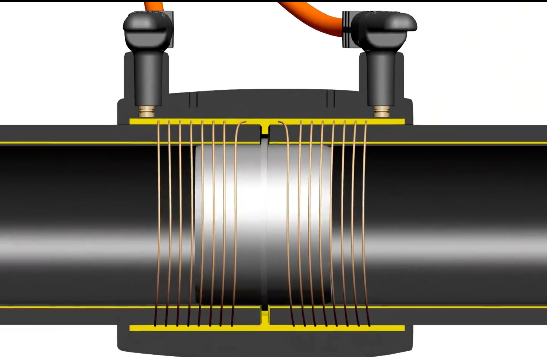
11. Electrofusion Connection
Mechanism: Internal heating coils within the fitting melt the interface electronically.
Requirements: Electrofusion fittings and a specialized power unit.
Best For: High-safety gas distribution networks.
Pros: Highly stable and less prone to human error than manual hot-melt.
Cons: Significant cost increase per fitting.
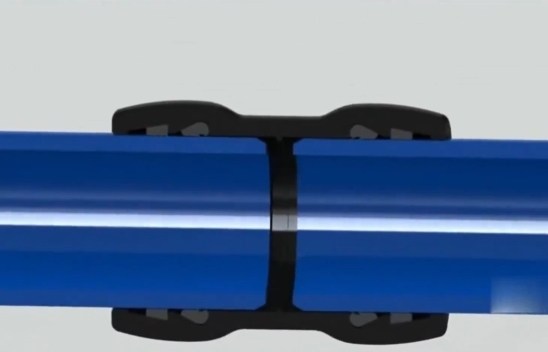
12. Heat-Shrinkable Sleeve
Mechanism: A polymer sleeve shrinks tightly around the joint when heat is applied.
Requirements: Heat-shrink material and a torch.
Best For: Anti-corrosion protection for buried joints or underwater cables.
Pros: Superior waterproofing and chemical resistance.
Cons: Provides sealing and protection only, not structural strength.
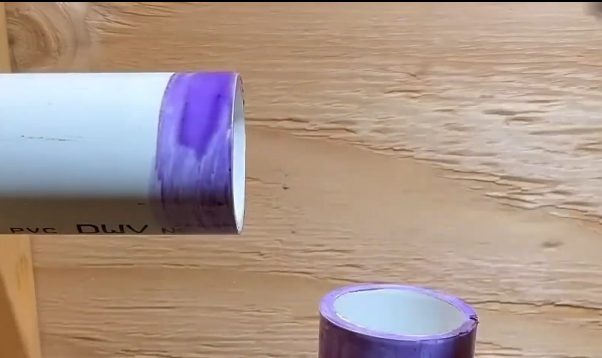
13. Solvent Cement Connection
Mechanism: A chemical solvent melts the surface layer to create a cold weld.
Requirements: Specialized PVC/UPVC solvent cement.
Best For: PVC water supply and drainage.
Pros: Fast and requires no electricity.
Cons: Surface must be perfectly clean; affected by temperature/humidity during curing.
III. Repair & Universal Solutions
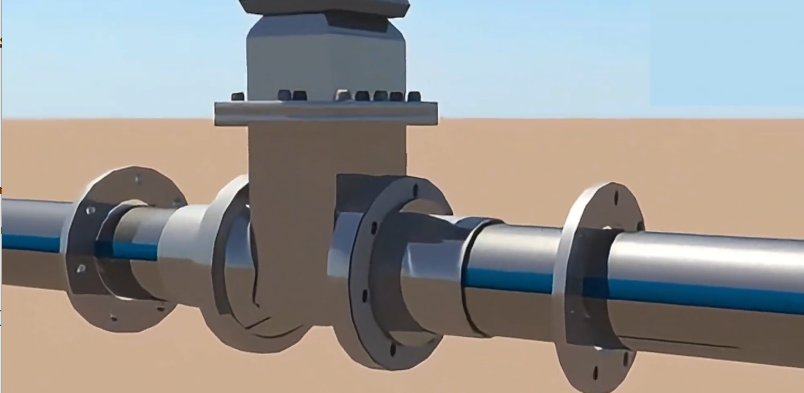
14. Universal Pipe Coupler
Mechanism: A sleeve-style clamp that bridges two pipe ends.
Best For: Emergency repairs or connecting pipes made of different materials.
Pros: Fast, versatile, and requires no end-prep.
IV. Frequently Asked Questions (FAQ)
Q1: Which connection is recommended for LSAW pipes in bridge construction?
A1: For structural integrity, Butt Welding is the preferred method. It ensures the joint can withstand the same tensile and seismic loads as the parent material of the pipe.
Q2: Why is fit-up so important for JCOE LSAW pipes?
A2: JCOE pipes are designed for high precision. Proper beveling is essential for Butt Welding to ensure full penetration and avoid weld defects in high-pressure B2G projects.
Q3: Can grooved connections be used for underground carbon steel pipes?
A3: While possible, it is not recommended due to the risk of external corrosion at the clamp. Welded connections with a Heat-Shrinkable Sleeve for protection are a safer alternative for buried lines.
At Yuantai Derun , we provide high-precision ERW, LSAW, and SSAW pipes tailored to meet the exacting standards of global infrastructure. Oursteel pipe production line ensures that every pipe is ready for the most demanding connection methods.
Post time: Apr-22-2026


